Parochial House, Straide, Foxford, Co. Mayo

About Straide

Home / About Straide

A Welcoming Community

Located in Co. Mayo

Straide is an historic and picturesque village situated in the heart of County Mayo, located between Foxford and Castlebar in the diocese of Achonry. The Cathedral town of the Diocese is Ballaghadeereen on the Mayo / Roscommon border.

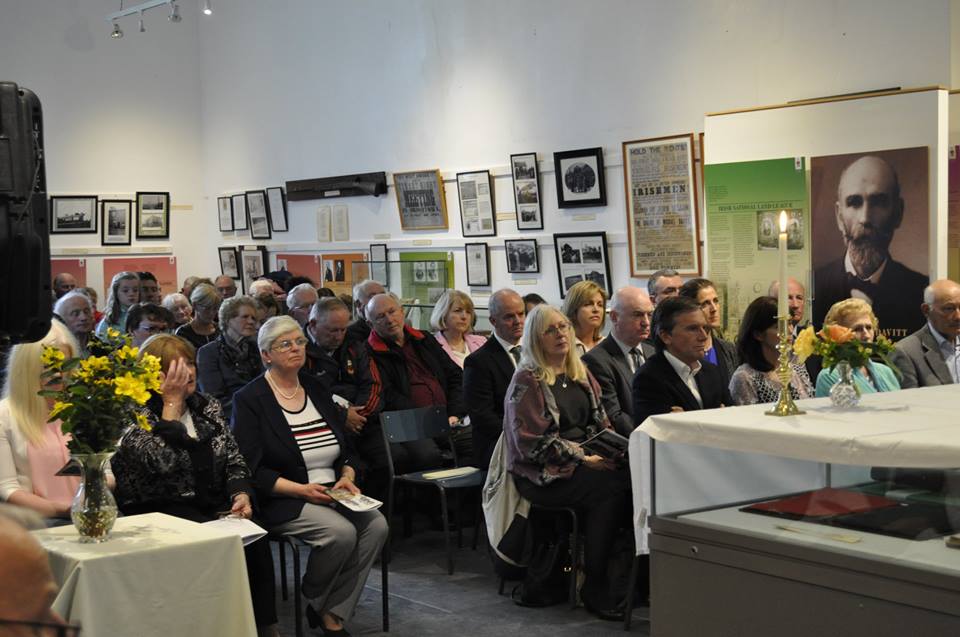
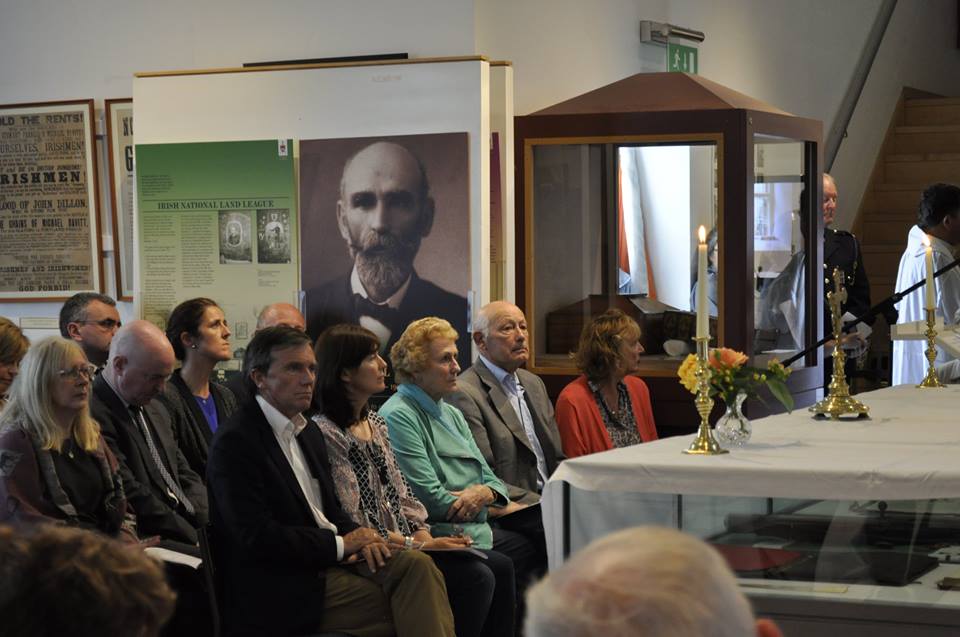
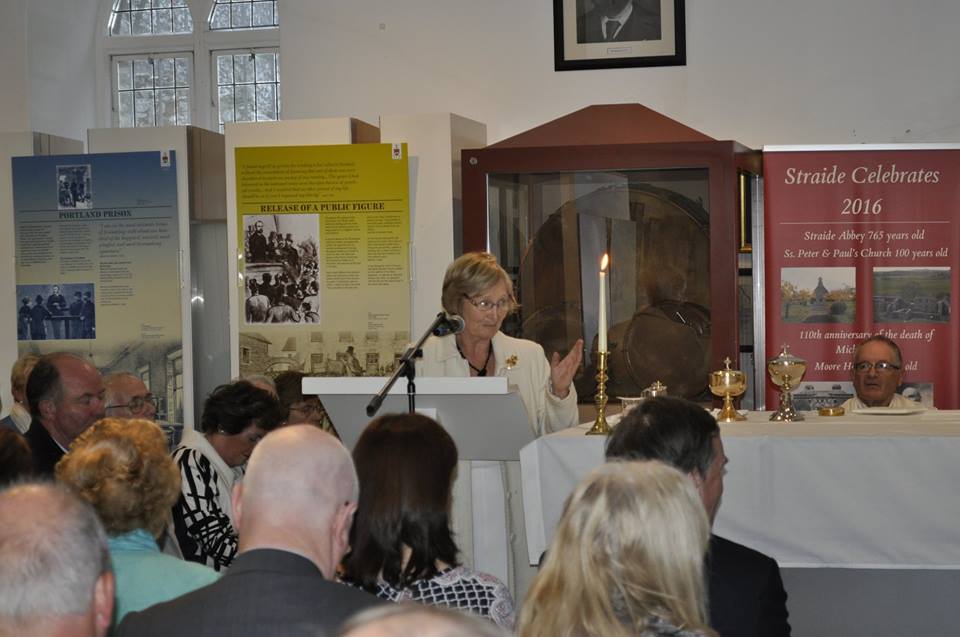
Straide is the birthplace of one of Ireland’s famous sons, namely Michael Davitt, founder of the Land league in 1879. Michael Davitt was born on March 25th 1846 during the Great Famine, at a time when Straide was a place of poverty and emigration. He was christened in the pre-penal church, which today houses the Michael Davitt Musuem.

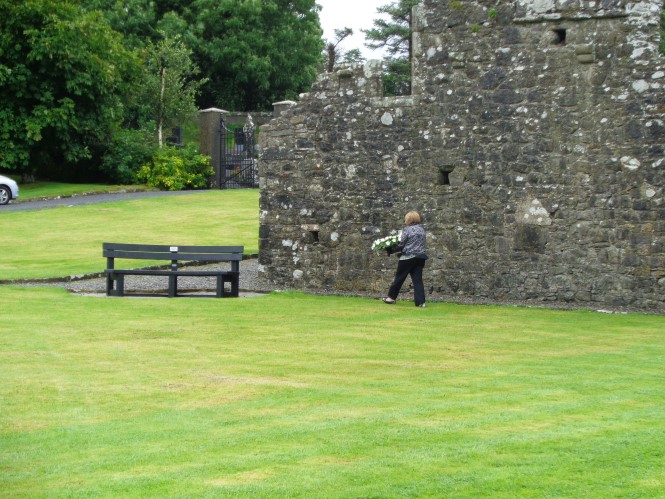
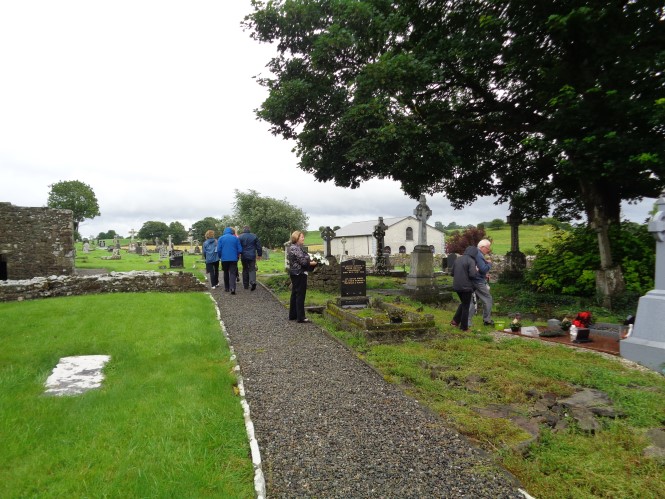
Davitt and Charles Stewart Parnell formed the Land League at the end of the 19th century to abolish landlordism in Ireland and enable tenant farmers to own the land on which they worked. A plaque to his memory has been erected in the village and Davitt is buried in the grounds of the 13th Century Straide Abbey, beside the Museum.

Straide is the birthplace of one of Ireland’s famous sons, namely Michael Davitt, founder of the Land league in 1879. Michael Davitt was born on March 25th 1846 during the Great Famine, at a time when Straide was a place of poverty and emigration. He was christened in the pre-penal church, which today houses the Michael Davitt Museum.


Michael Davitt Museum.
Straide, Foxford,
Co Mayo, Ireland, F26 FX37
T: 094 903 1942
W: https://www.michaeldavittmuseum.ie
E: davittmuseum@gmail.com

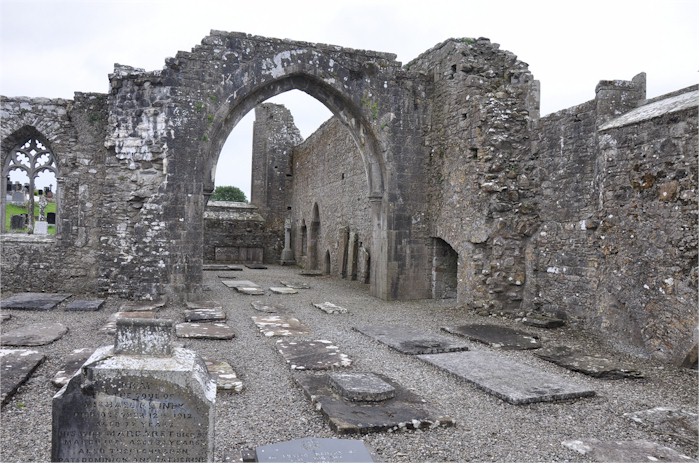
Straide Friary was founded c. 1240 by Jordan de Exeter, or his son Stephen, at the bequest of Jordan’s wife Basilia, daughter of Meyler de Bermingham. It was inhabited by the Order of Friars Minor (Observant Franciscan Friars), before being refounded by the Dominican Order in 1252/53. It was burned in 1254.


Straide Abbey
Straide, County Mayo
Coordinates: 53.921478°N 9.128848°W

Community and Support

Strengthening Faith

Education and Guidance

Opportunities for Service

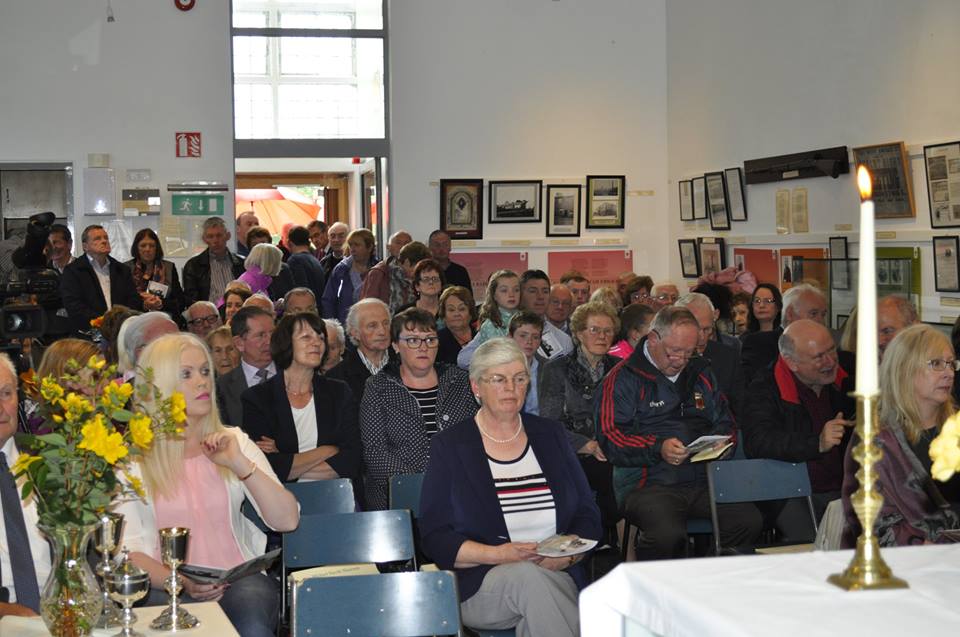
Straide has a thriving primary school and a Community Centre which is used extensively by the locals. Senior citizens’ and children’s parties are held there annually. Straide is also noted for providing some very fine football teams both at senior and underage level.

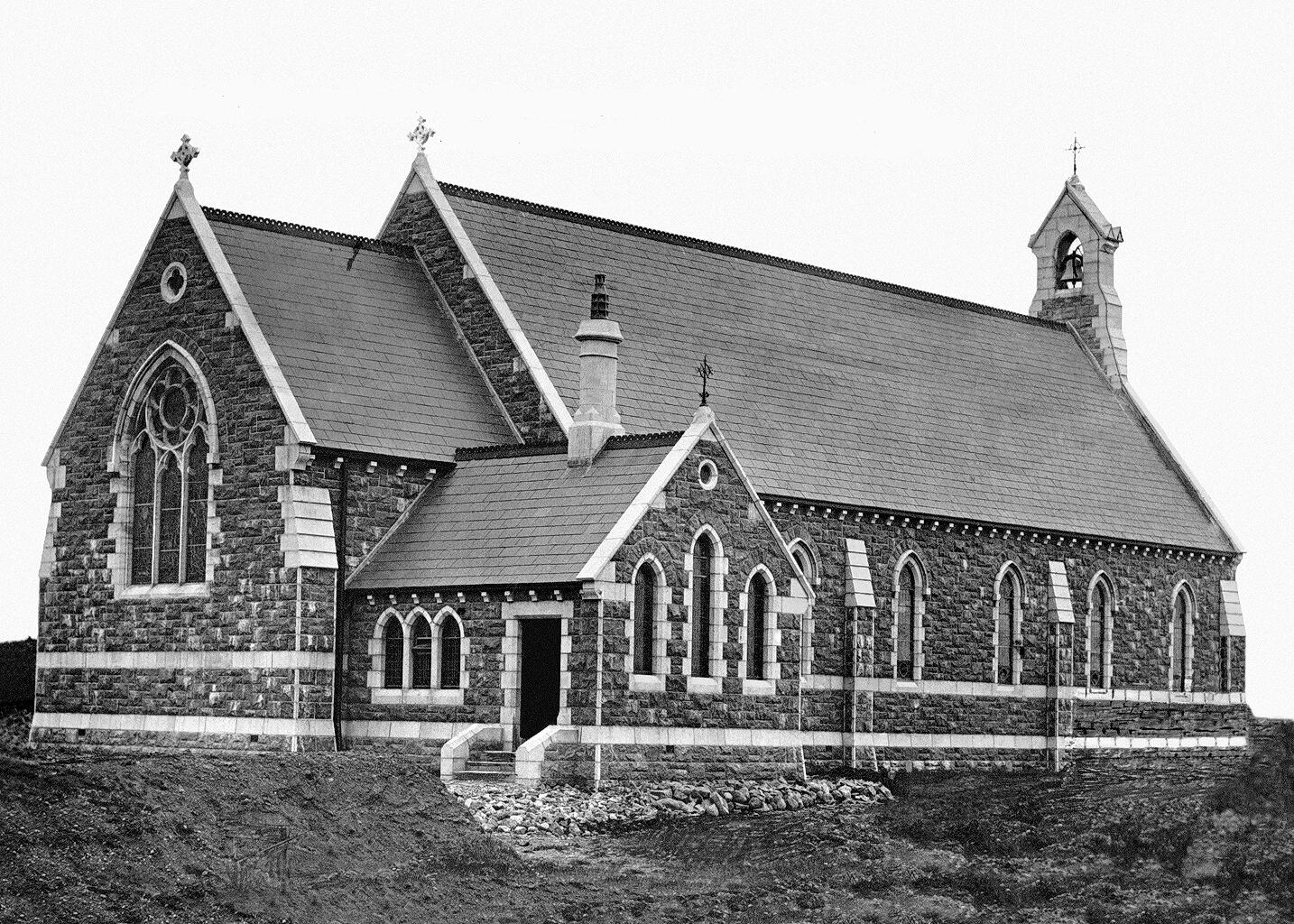
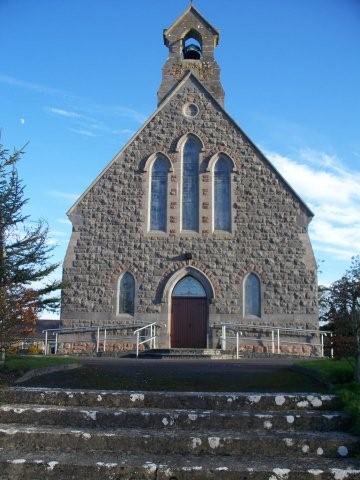
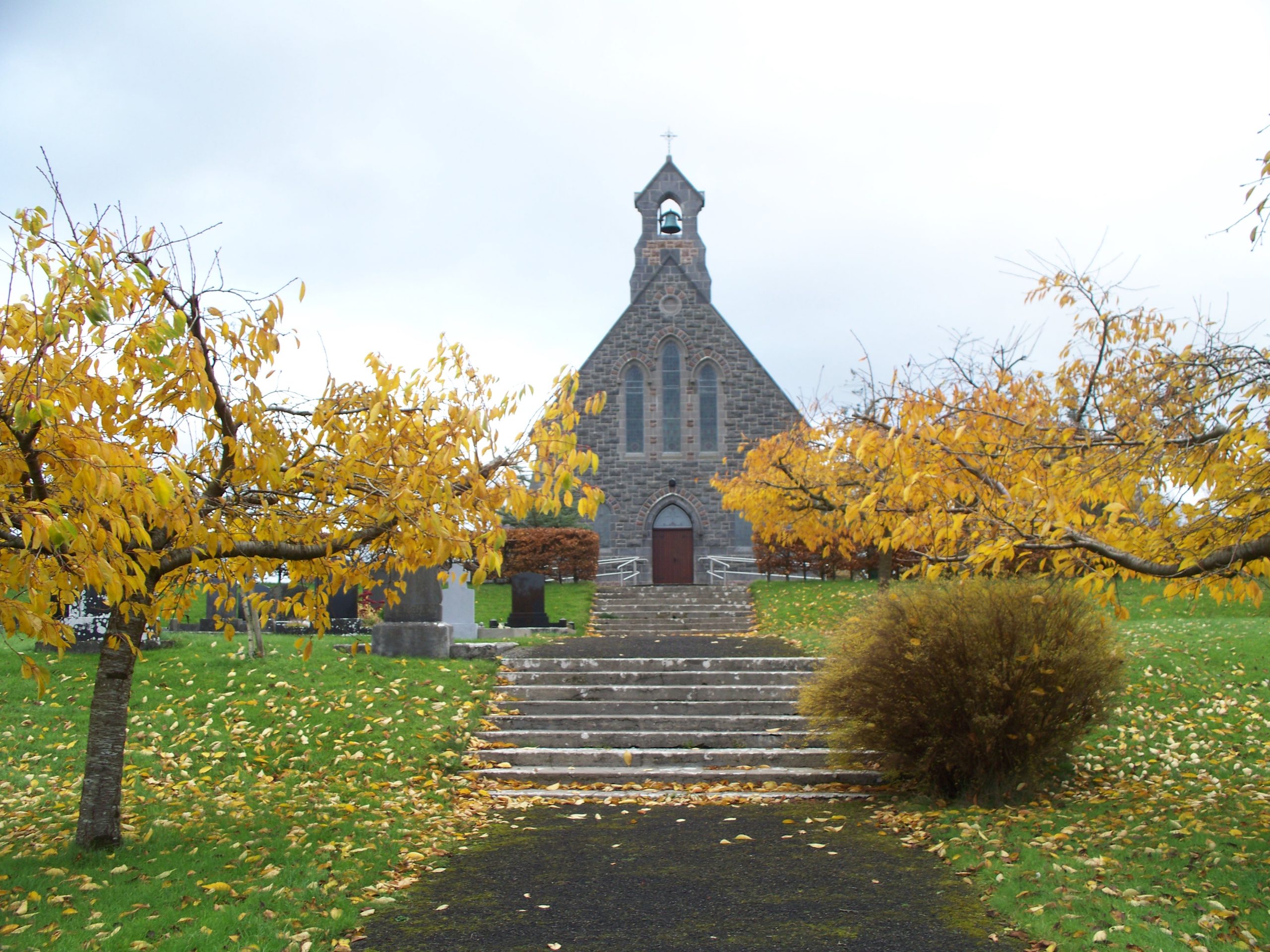
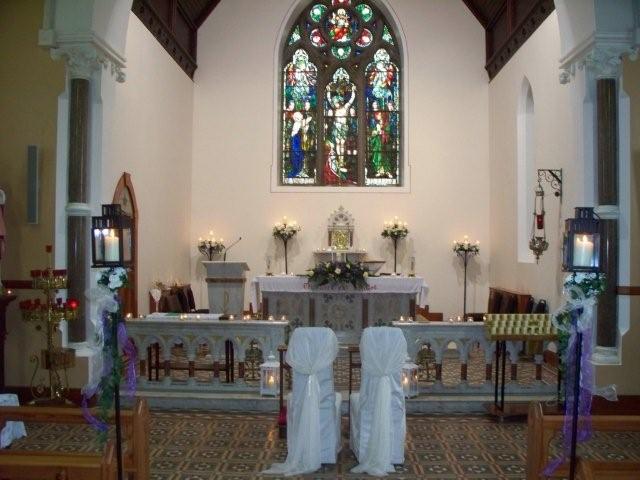
Our local GAA team is Moy Davitts, whilst our soccer team is known as Straide and Foxford United. The Church of Saints Peter and Paul is situated on a hill, marking the centre of the village and is bordered on one side by the Davitt Lounge and on the other side by The Copper Beech Lounge.

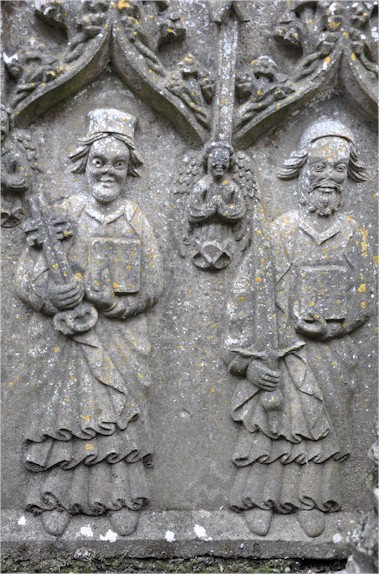
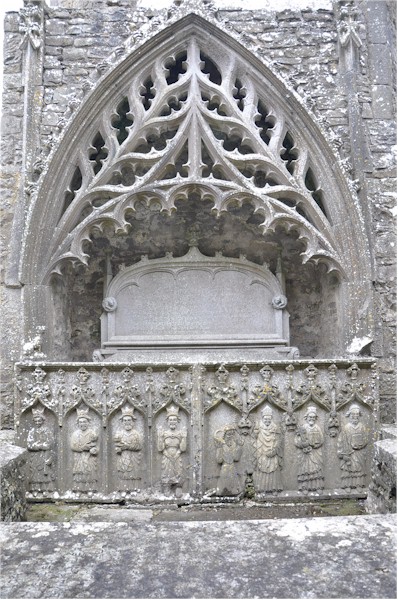
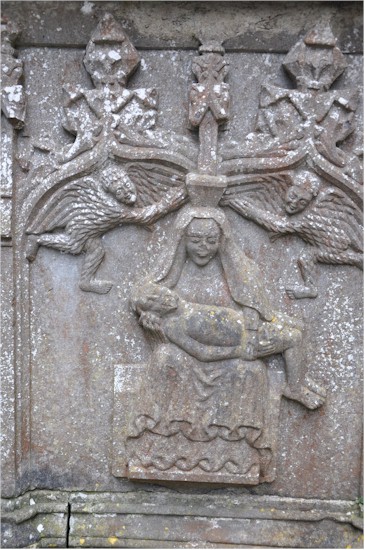
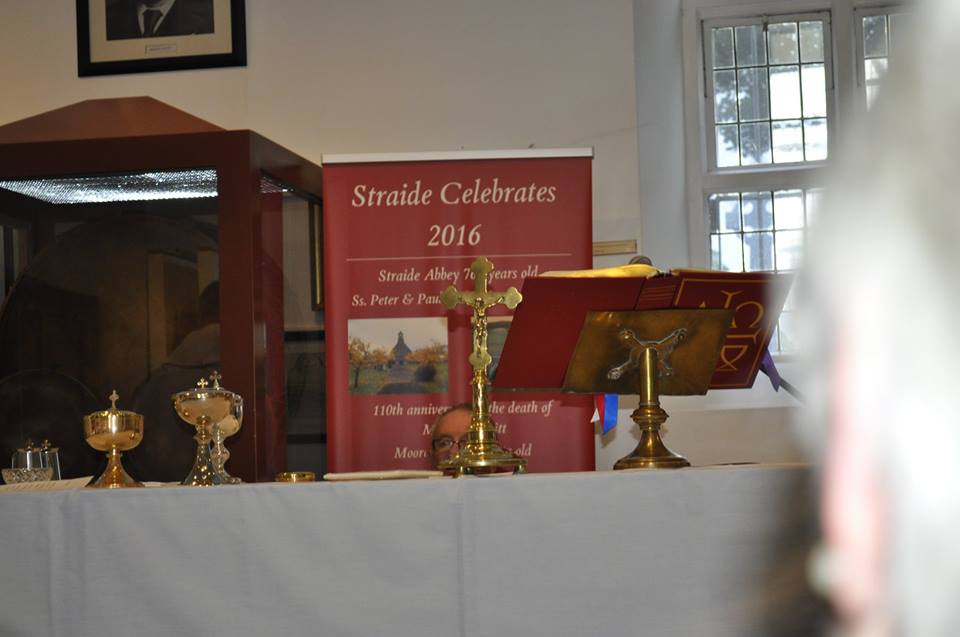
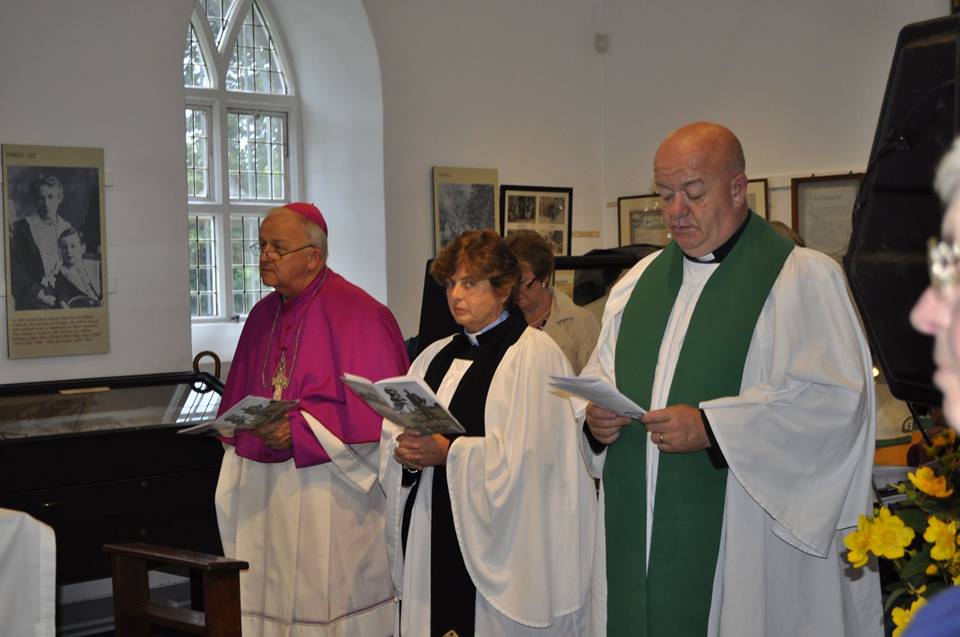
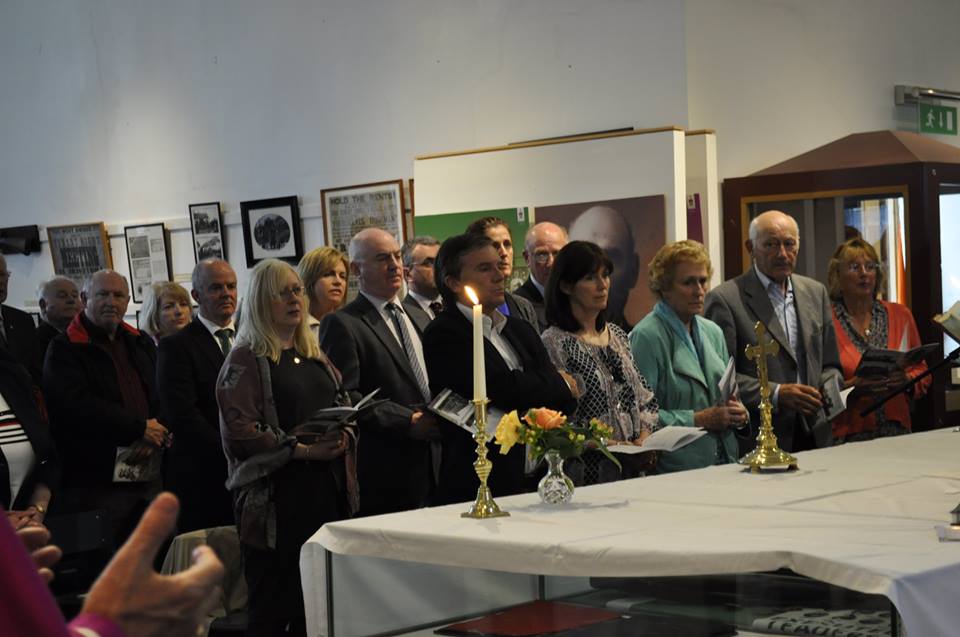
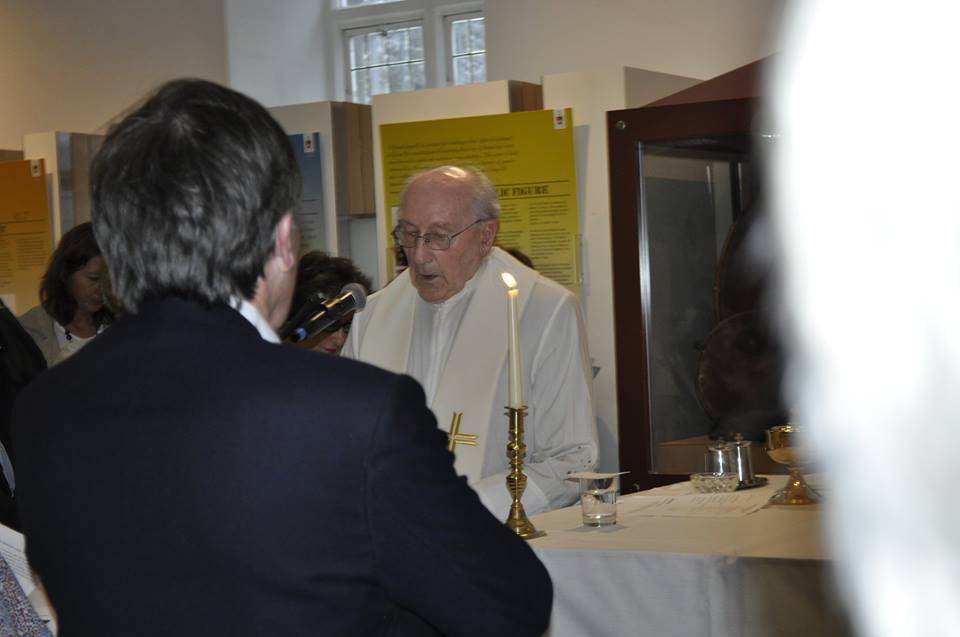
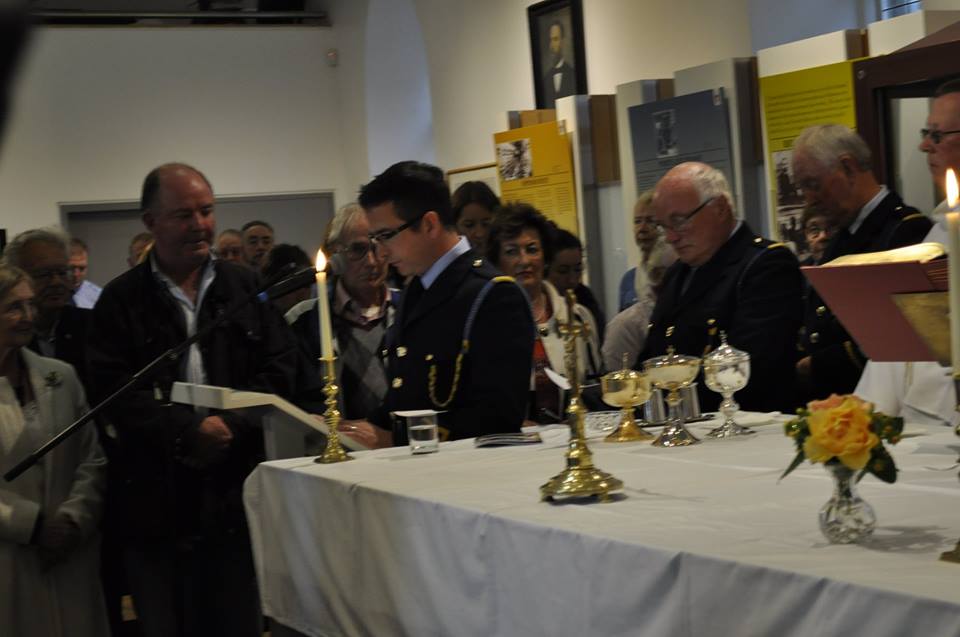
Adjacent to the Church is the historic well preserved thirteenth century Dominican Abbey, a testimony to our rich heritage and to a faith-filled community which has given sons and daughters to the Priesthood and Religious life both at home and abroad. The Effegies in the Abbey are of note and are unique for their period as they depict all the images of the Saints and a Pieata with smiling faces.

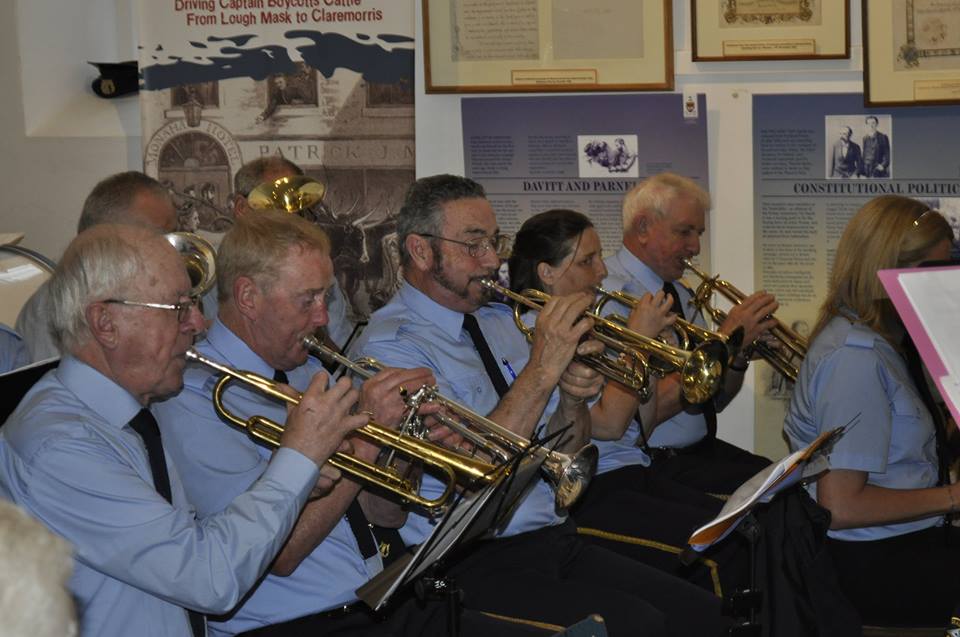
Another feature of Straide is its love and promotion of traditional Irish music with many local families having attained recognition at national level, for their musical prowess and skills.

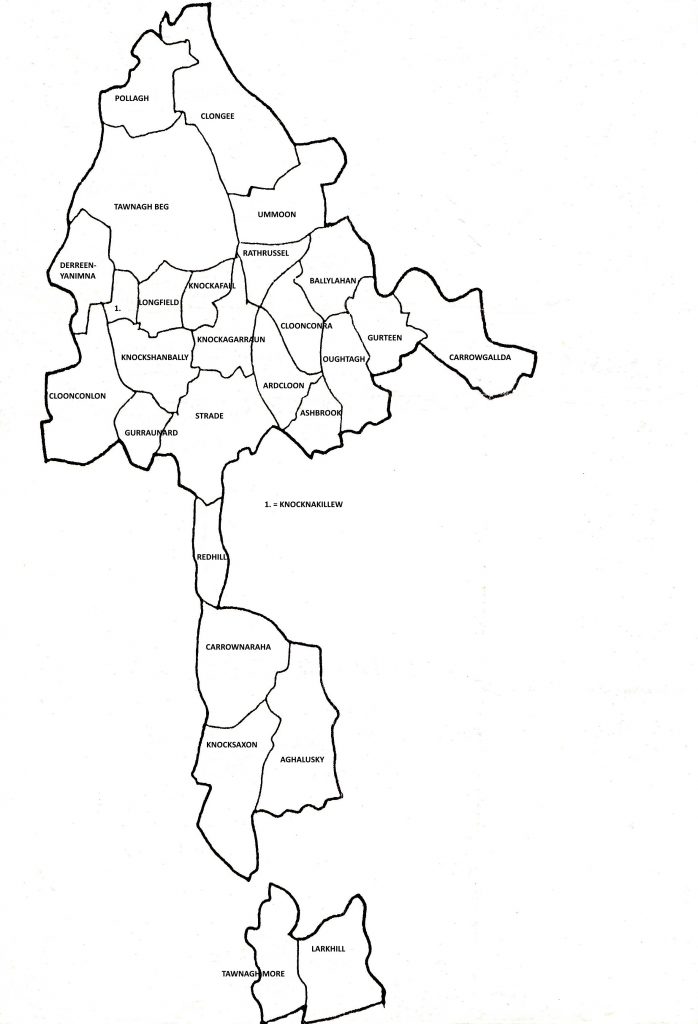
The parish of Straide has 37 townlands as listed below. The names have been anglicised over the years and, in many cases, bear no resemblance to the original Gaelic names. Regrettably, many of these townlands no longer have any residents.

In most cases, the generally accepted spelling of townland names comes from the Ordnance Survey maps.

Much work has gone into deciphering the original Gaelic names and their meanings. Some anglicised names are easy to translate while others have been changed almost beyond recognition and, thus, difficult (if not impossible) to decode.

ArdcloonCarracastleFencefieldLoughill
AshbrookeClooncondraGurranardOughtoose
AughaliskaCloonconlonGurteenPullagh
AughawardCoolkeevauneKnockafallRathrussel
BallinacuilaCrillaneKnockaghranRedhill
BallylahanDerraKnocknacullaSpringhill
BlackfortDerrineaKnocksaxonStraide
BlanemoreDerrinogueKnockshanvalleyTavnabeg
BoherglossDoogeraLongfieldTavnagh
Ummoon
TownlandIrish NameTranslation
AghaluskyAcha Loiscethe field of the burning
AughawardAchadh an Bhairdthe field of the bard
BallinacuilaBaile na Coillethe townland of the wood
BallylahanBaile Átha Leathainthe town of the wide ford
BlackfortAn Lios Dubhthe black fort
BlanemoreAn Bhléan Mhórthe big milking
BoherglossAn Bóthar Glasthe green road
CarracastleCeathrú an Chaisilthe quarterland of the stone ring fort
CloonconraCluain Conradhthe meadow of the contract
CloonconlonCluain Conlainnthe meadow of Conlon
CoolkeevauneCúil Caomh Abhainnthe turn in the calm river
CrillaneCroithleánthe quaking bog
DerraDoirethe oak wood
DerrineaDoire an Fhiathe woodland of the deer
DerrinogueDoire Ȯgthe young woodland
DoogeraDubh corathe black weir
FencefieldAn Gort Falaithethe hedged field
GurraunardAn Garrán Ardthe high grove
Gurteen An GoirtínAn Goirtínthe small garden
KnockafallCnoca Fálthe hedged hill
KnockagarraunCnoc a Ghiorráinthe hill of the horse
KnocknakillewCnoc na Coilleadhthe hill of the wood
KnocksaxonCnoc Sacsonthe hill of the Saxons
KnockshanballyCnoc an tSeanbhailethe hill of the old homestead
LongfieldAn Cnoc Fadathe long hill
LoughillLeath choillthe half woods
OughtooseOchtúthe eighth
PullaghPoll achthe broad expanse of shallow water
RathrushelRáth Ruiséilthe ring fort of Russel
RedhillAn Cnoc Ruathe red hill
SpringhillCnoc an Tobairthe hill of the spring
StraideAn tSráidthe street
Tawnagh BegAn Tamhnach Beagthe small arable field
TavnaghAn Tamhnachthe arable field
UmmoonIomún / Uim Abhainnthe harness (crossing) of the river